Estimating software for motorcycle shops
Updated 2026-11-07 · By the Motorcycle Repair Estimator team
An independent motorcycle shop quotes against worse data than a car shop does. Flat-rate coverage across brands and model years is thin, half the machines on the lift are out of warranty by a decade, and the biggest cost on most jobs is access rather than parts. This page is about how shops price that work, and where a photo-to-estimate app fits alongside whatever you already run at the counter.

The jobs an estimate has to cover
A motorcycle shop's week is not one kind of work. It is roughly four, and they want different estimates:
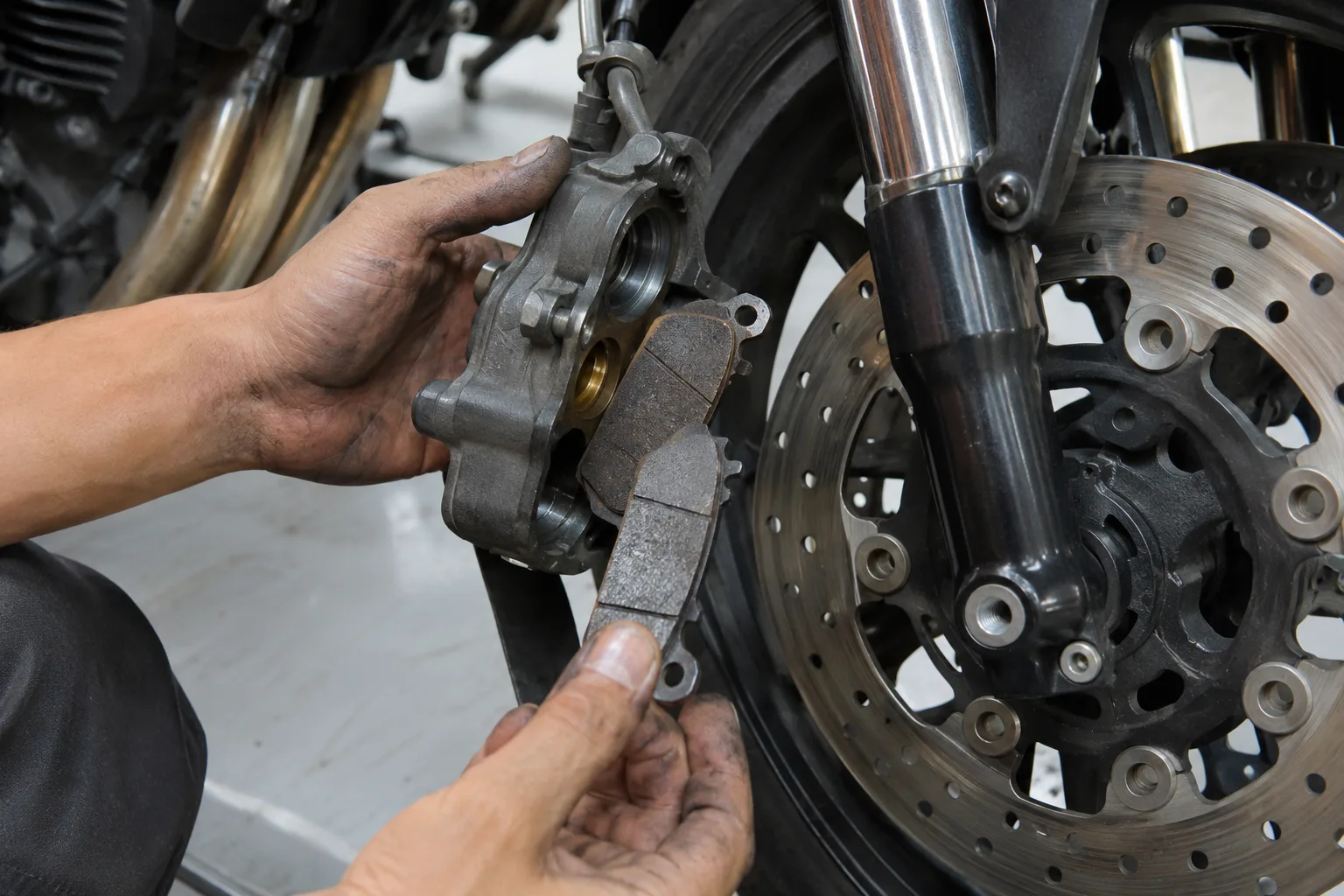
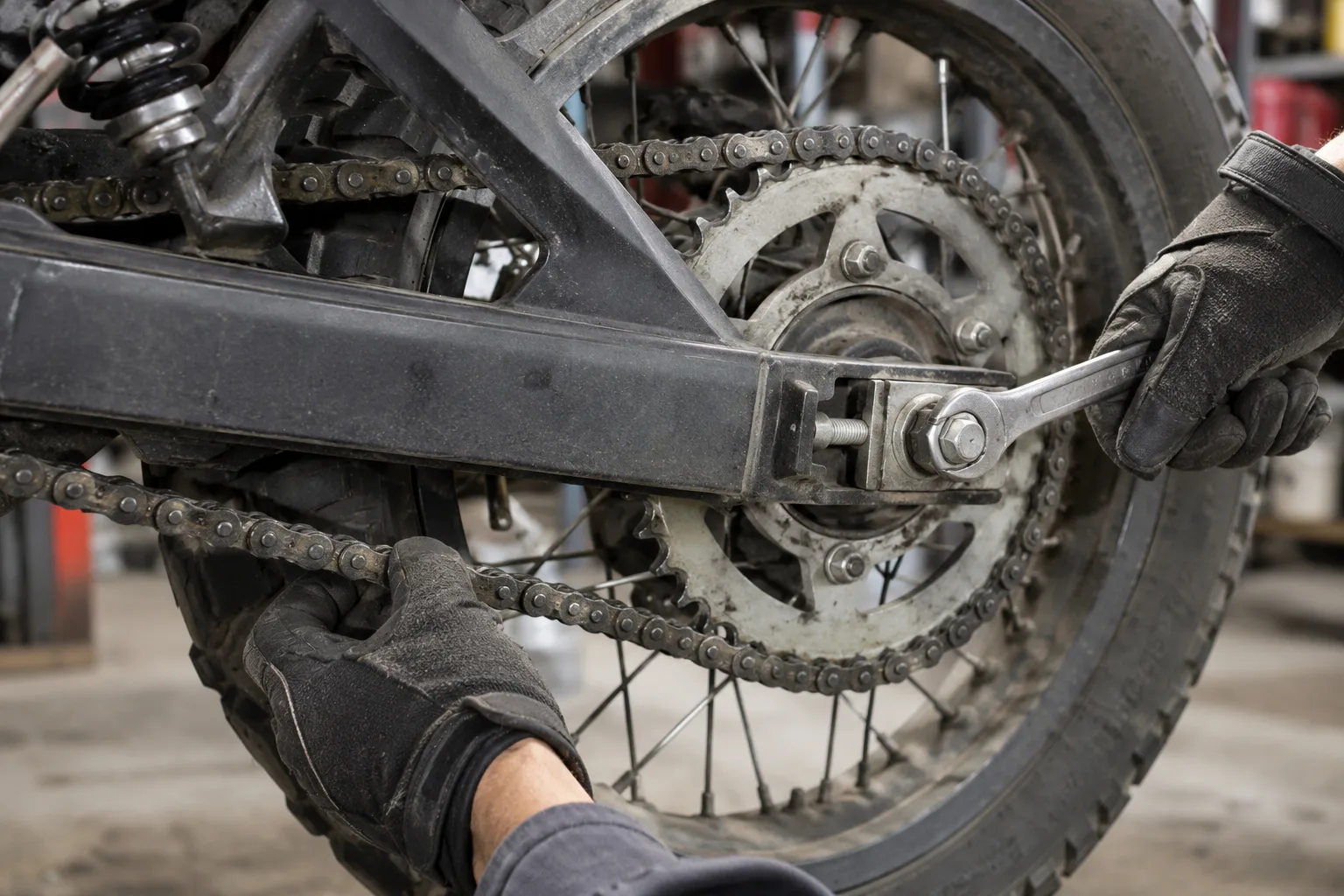
- Scheduled service. Oil and filter, valve clearance checks, chain and sprockets, brake fluid, coolant, fork oil. Predictable, repeatable, and the easiest to price from your own recorded times.
- Diagnosis. A noise, a misfire, a charging fault. Billed by the hour with a not-to-exceed, because no book time covers it.
- Tires and wheels. Fast, high-volume, priced very differently depending on whether the customer brings the wheel or the bike.
- Project and resurrection work. A bike out of a shed, seized fasteners everywhere, parts availability unknown. Hourly with staged approvals.
Software that only handles the first category will make you write the other three by hand.
Access is the number, not the parts
This is the structural fact that separates motorcycle estimating from automotive estimating. The same engine job on two bikes with the same engine can differ by hundreds of dollars because one has the cam cover in plain sight and the other has it under bodywork, a tank, an airbox and a radiator.
Three consequences for how you write the estimate:
- Teardown is its own line. Name it, give it hours, and state on the estimate that it is owed whether or not the repair proceeds.
- Fairing removal is charged once. Everything done underneath shares that access. Billing it per operation is double-charging and customers increasingly know it.
- Bundle work by access, not by system. When the tank and airbox are off, the plugs, the air filter and the coolant are cheap to add. Quote them as an option on the same estimate so the customer decides with the real numbers in front of them.
How shops structure the lines
| Line type | What goes on it | Common mistake |
|---|---|---|
| Teardown / access | Bodywork, tank, airbox, radiator removal and reassembly, with hours | Folded into the repair labor, so the customer cannot see what drove the price |
| Labor, by operation | One line per operation at the rate you charge for that skill | A single "labor" figure |
| Diagnostic labor | Clock hours with a not-to-exceed the customer approved | Quoted as a flat fee, then overrun absorbed |
| Parts | Quantity, part type (OEM or aftermarket), price, as material lines | Bundled into labor, which loses the margin and hides the part choice |
| Consumables | Brake fluid, fork oil, coolant, chain lube, gaskets, filters, crush washers, each with a quantity | Treated as shop supplies, so the real material cost is never recovered |
| Fastener allowance | Extra time for seized or corroded hardware on older machines | No allowance, so every snapped stud is the shop's loss |
| Shop supplies | A percentage of labor, commonly around 6%, with the method stated | Added at invoice time, after the estimate was approved without it |
| Sublet | Wheel truing, machine work, coating, with the vendor named | Marked up silently with no vendor shown |
Flat rate, hourly, and the gap between them
Flat rate works where you have a reliable time: the services you do weekly on the models that come through your door. Keep your own record of actual hours on those jobs and you will have better data than any general guide, because it reflects your tooling, your lift and the condition of the bikes in your market.
Hourly covers everything else: diagnosis, electrical faults, anything on a machine older than your parts catalog. Give a written range and a not-to-exceed figure, and get approval before passing it. Most independents run both, and the estimate should make clear which one a given line is.
For reference on rates, published guides put independent motorcycle shop labor at roughly $70 to $120 an hour and dealership rates at about $125 to $250, with around $130 an hour commonly quoted. Those are orientation, not targets — the labor rate calculator works out the rate your own overhead and billable hours require.
Where a photo-to-estimate app fits the day
Not at the heavy end. Factory-time dealer work and warranty claims go through the systems those programs require. The app is for the front of the funnel, which is a bigger share of an independent shop's week than it gets credit for:
- A customer texts a photo of a chain and sprocket set and asks what it would cost.
- A walk-in wants a number on brakes before deciding whether to do it now or in spring.
- Someone brings another shop's quote and wants a second opinion, itemized.
- You are at a rally, a bike night or a customer's garage, nowhere near the counter machine.
- A bike on the lift just produced a second problem and you need an addition to the estimate in the next five minutes.
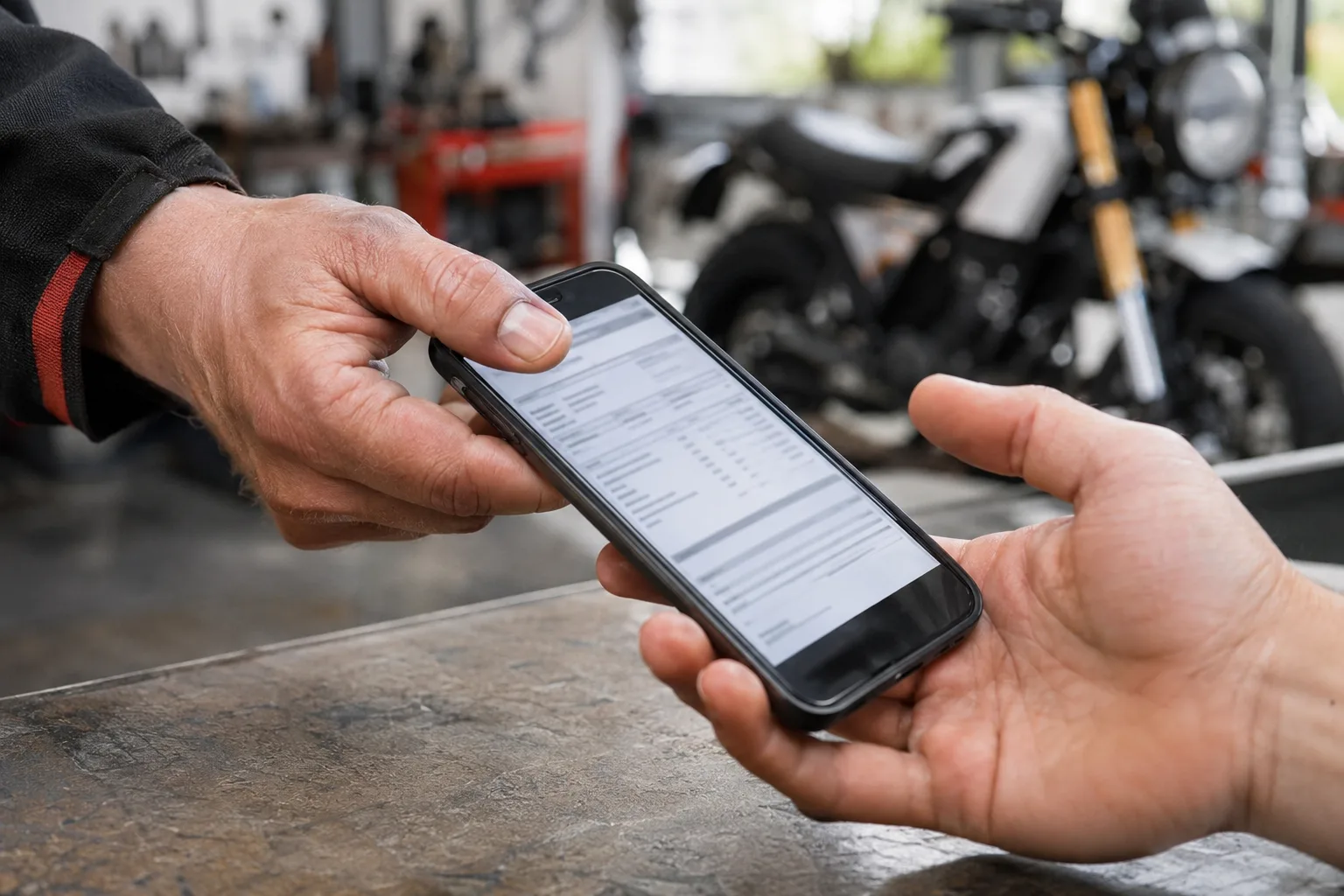
Motorcycle Repair Estimator Moto+ runs on iPhone, iPad and Android. Photograph the bike and the problem, add a note or dictate it, and the app returns an itemized estimate with teardown, labor by operation, parts as material lines and consumables listed separately, at the hourly rates you set. Send it as a branded link or PDF, and convert the approved estimate into an invoice rather than retyping it. The estimates are informational — the judgment calls on hours, part choice and fastener allowance are still yours to edit before it goes out.
Starting points
If your process needs tightening rather than software, work through how to write a motorcycle estimate, set your rates, and decide how you handle part type on safety-critical components — OEM vs aftermarket motorcycle parts covers where that line sits. Then make sure your supplies charge appears on the estimate, not the invoice.
Frequently asked questions
What software do independent motorcycle shops use?
There is no single standard. Dealership service departments work inside the manufacturer's DMS with factory flat-rate times. Independents typically run a general shop management system, a spreadsheet, or paper, and increasingly something on the phone for quoting at the bike. Many shops use a combination rather than one product.
Why is flat-rate data worse for motorcycles than for cars?
Volume. Automotive labor-time publishers cover a few hundred high-volume models across a handful of body styles, and the market supports the cost of maintaining it. Motorcycles are many brands, many engine layouts, short model runs and a long tail of older machines, so published independent time data is patchy. Shops end up keeping their own times.
Should teardown be charged separately?
Yes, and it should be on the estimate before the work starts. Teardown is labor the customer owes for whether or not the repair proceeds, and on a faired bike it can be most of the job. The same estimate should say what happens if the customer declines the repair after teardown.
Do you charge fairing removal once or per job?
Once. If the panels are off for a valve check, the coolant change and the spark plugs underneath do not each carry their own access time. That is also the honest sales argument for doing deferred work now: the expensive part is already paid for.
Sources
- J.D. Power - How much does it cost to service a motorcycle
- RIVA Motorsports - Service center labor pricing
- Motorhelmets - Street and sport bike service pricing
Estimates and invoices in minutes
Motorcycle Repair Estimator turns a photo into an itemized estimate, then an invoice. Free to download.
More in for shops